
ADR Regulations
Dangerous Goods Transport: Do Your Drivers Have the Right Training?

Transporting dangerous goods is a high-risk operation that requires strict compliance with safety regulations. Ensuring that drivers have the appropriate ADR (Accord Dangereux Routier) training and certification is essential to prevent accidents, comply with legal requirements, and maintain a safe working environment. In this article, we explore why ADR training is crucial, what it involves,…
Read MoreYour ‘How To’ Guide for Shipping Dangerous Goods
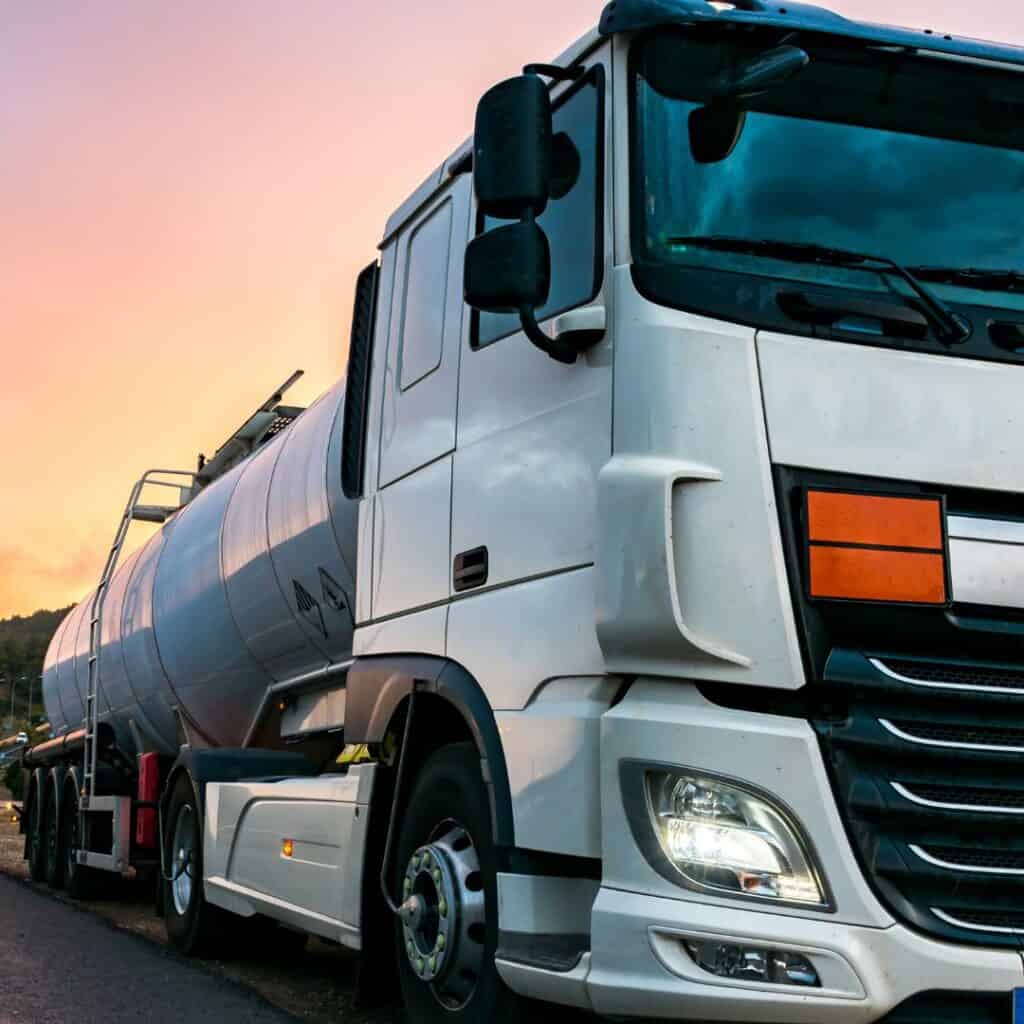
Shipping dangerous goods is heavily regulated, with severe legal, financial, and environmental risks if not done properly. It is important to be fully trained and competent in dangerous goods handling, which is why our compliance team have put together this ‘How To’ guide. Please note that this guide is not a substitute to proper ADR…
Read MoreADR Training
ADR (Accord de Reconnaissance Mutuelle) training is a form of driver training that is required by EU law for professional drivers carrying dangerous goods. ADR training covers the safe transport of hazardous materials and is designed to ensure that the driver is aware of the risks associated with the cargo and how to handle it…
Read MoreDecember Changes to Dangerous Goods Carriage – Are you ready?

Every 2 years we get new ADR Regulations. The purpose of updating the regulations is to consolidate technical changes and recommendations from all Nations who participate in the ADR Agreement. This ensures that the regulations keep up with the times as there are constant changes to product types, and hazards and risks that need to be taken…
Read MoreWhat are High Consequence Dangerous Goods?
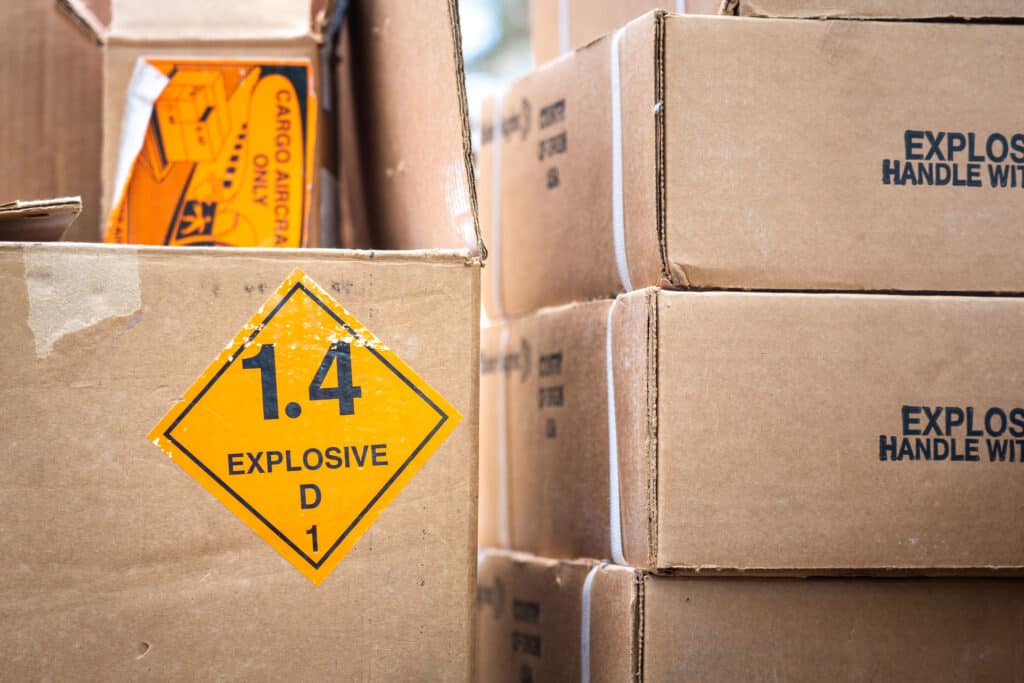
Official definitions normally sound like this… High consequence dangerous goods are those which have the potential for misuse in a terrorist event and which may, as a result, produce serious consequences such as mass casualties, mass destruction or, particularly for Class 7, mass socio-economic disruption. Typically, from the work we have covered, this would include…
Read MoreWhat are the Categories of Dangerous Goods?

Do you know the categories of dangerous goods? Most people know a couple however, it is rare that people know all of them unless they work within a role that deals with the movement of dangerous goods. ADR splits dangerous goods into 9 different categories. The categories are directly related to the products dangerous qualities. It is…
Read MoreRegulatory and Enforcement Bodies – Dangerous Goods – Who does it involve?

Our DGSA consultancy services assesses your needs to give over the phone, annual support, with the annual audit through one of our qualified Dangerous Goods Safety Advisors.
Read MoreOur NEW Full Time DGSA (Dangerous Goods Safety Advisor) is nearly here!
Our DGSA consultancy services assesses your needs to give over the phone, annual support, with the annual audit through one of our qualified Dangerous Goods Safety Advisors.
Read MoreAnnual Reports – Dangerous Goods – What should be included?

Our DGSA consultancy services assesses your needs to give over the phone, annual support, with the annual audit through one of our qualified Dangerous Goods Safety Advisors.
Read MorePaperwork for UK hauliers driving to the EU…
With the increasing confusion over what is and what is not required, we thought a summary would be useful. Commercial drivers from the UK that operate in the EU will need new paperwork in addition to the documents already being carried. This has been stated if the UK leaves the EU without a deal, however,…
Read More