
Driver Training
A Day in the Life of a Transport Consultant (Training)
Saturdays are predominately reserved for Driver CPC and/or FORS training. Last Saturday saw me delivering Safe Urban Driving Training for a client in Alfreton. This training helps them towards FORS accreditation as well as contributing 7 hours towards the drivers’ 35 hours of periodic training. I arrived on site 30 minutes prior to…
Read MoreHave you been summoned to a Traffic Commissioner Public Inquiry and feeling stressed out?

“Have you been summoned to a Traffic Commissioner Public Inquiry and feeling stressed out? Don’t worry, you’re not alone! These inquiries can be extremely nerve-wracking and overwhelming, but Total Compliance Transport Consultants can help ease the burden, and assist with your transport compliance. So what can you expect at a Traffic Commissioner Public Inquiry? Well,…
Read MoreWho needs DGA/ADR training?

ADR stands for ‘Accord européen relatif au transport international des marchandises Dangereuses par Route’ and is a European agreement that regulates the transport of dangerous goods by road. In the UK, ADR training is mandatory for certain types of workers who are involved in the transportation of dangerous goods by road. The following types of…
Read MoreWhat to Expect When Becoming a DGSA?
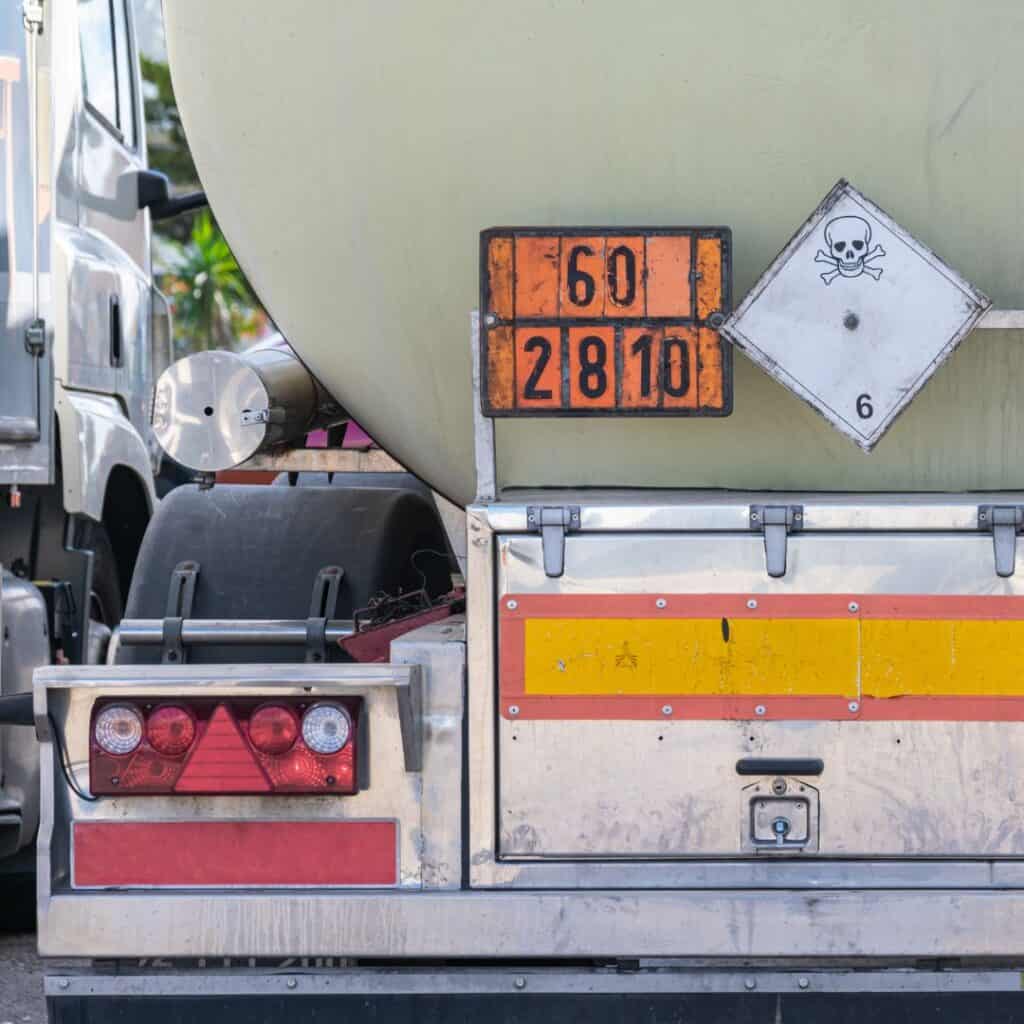
Becoming a qualified Dangerous Goods Safety Advisor (DGSA) is a great career choice for those interested in taking responsibility for the safe handling and transport of hazardous substances. The job involves evaluating the risks associated with storing, packaging, transporting, and using various dangerous materials, as well as providing safety advice and guidance to employees. How…
Read MoreWhat Should I Consider When Hiring a DGSA?
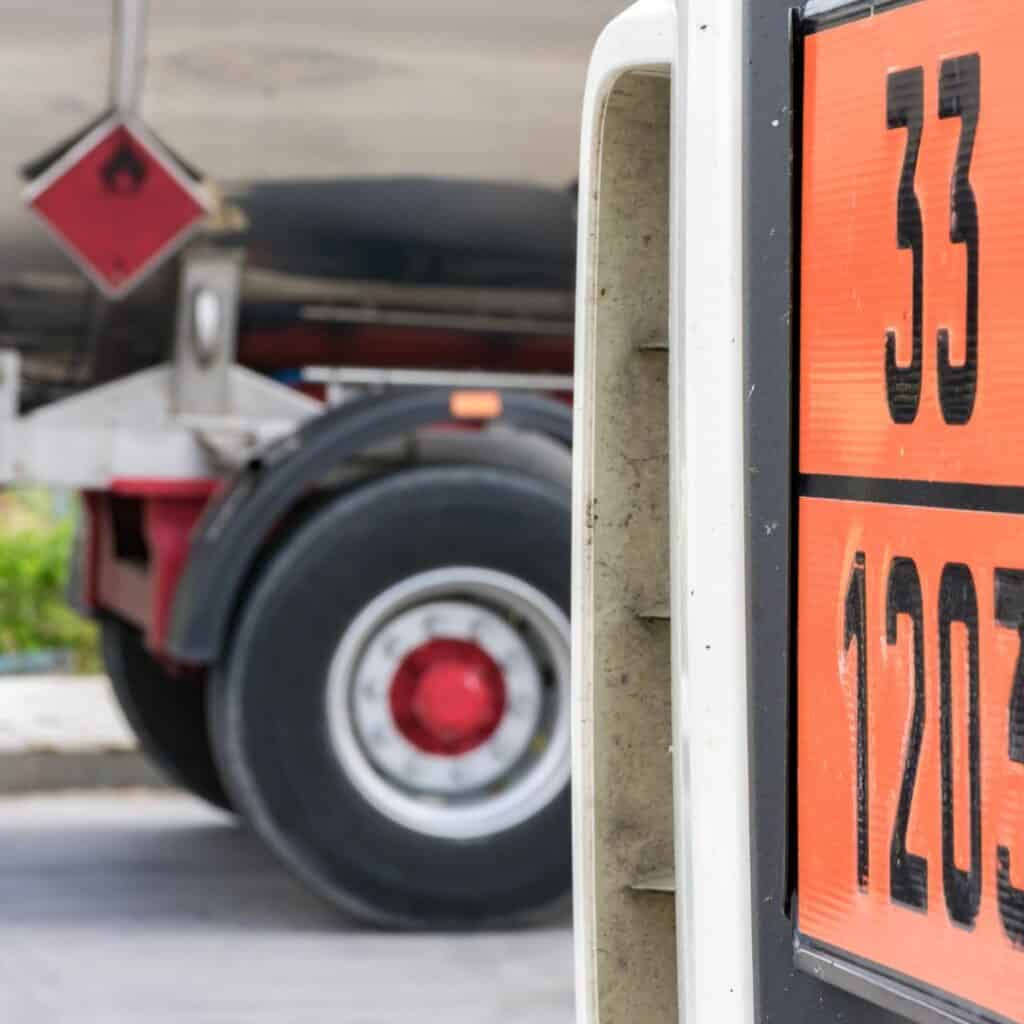
As of 31 December 2022, any company that handles dangerous goods must appoint a DGSA, including anyone who consigns, transports, picks, packs, organises, fills, loads or unloads dangerous goods on a regular basis, by road, rail or inland waterway. If your business is included in the above list, you’ll need to start looking for a…
Read MoreWhat Are Dangerous Goods Classes and Packing Groups?

The transportation of hazardous substances is a complex and potentially dangerous process, and understanding the proper methods for packing and shipping these materials can be the difference between life and death. Have you ever wondered what dangerous goods classes and packing groups are? In this article, we’ll discuss the importance of following the regulations set…
Read MoreWhat is a Dangerous Goods Safety Adviser and What Are Their Responsibilities?
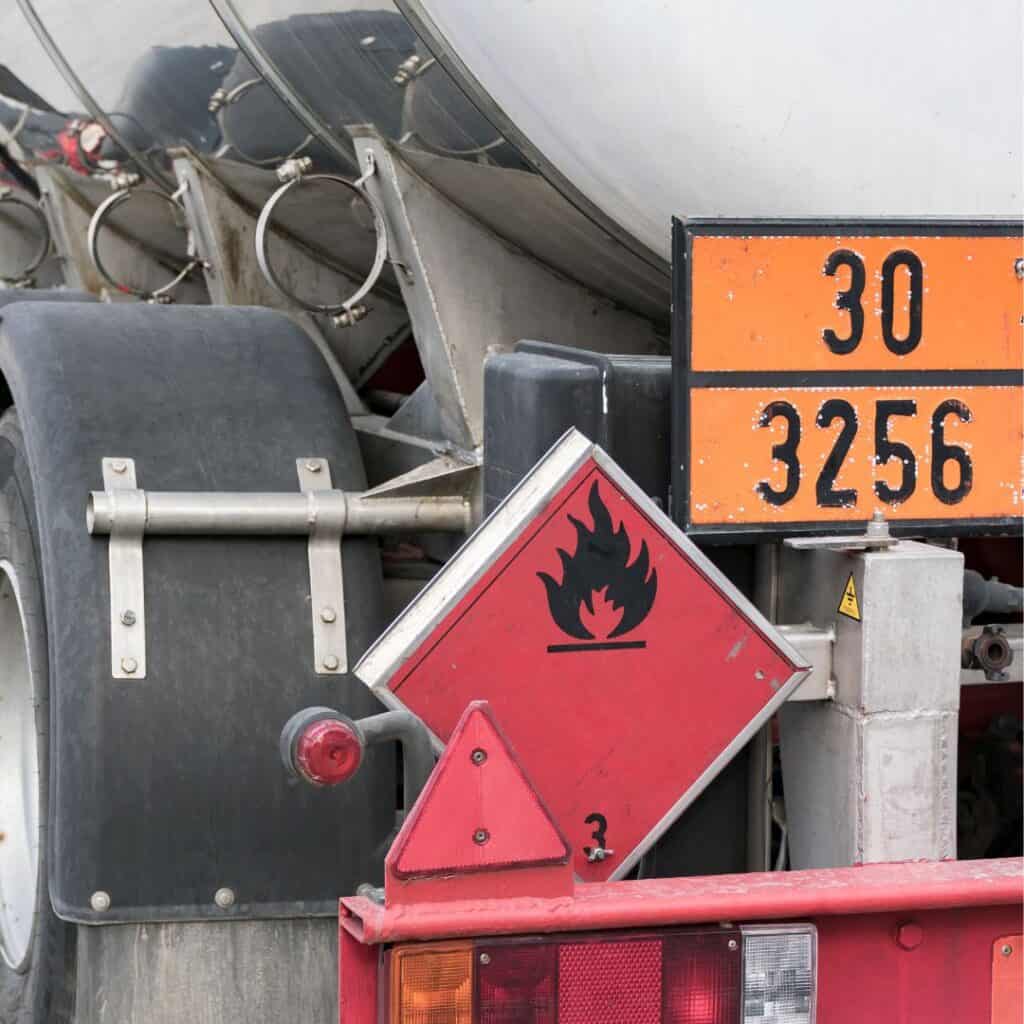
A Dangerous Goods Safety Advisor (DGSA) is an essential role for companies involved in the transportation of hazardous materials. The DGSA ensures that companies comply with regulations for the safe transportation of dangerous goods by providing advice and guidance to their employers. In this article, we will discuss what a DGSA is and their responsibilities.…
Read MoreYour ‘How To’ Guide for Shipping Dangerous Goods

Shipping dangerous goods is heavily regulated, with severe legal, financial, and environmental risks if not done properly. It is important to be fully trained and competent in dangerous goods handling, which is why our compliance team have put together this ‘How To’ guide. Please note that this guide is not a substitute to proper ADR…
Read MoreCareer Progression and Expected Salary for ADR Drivers
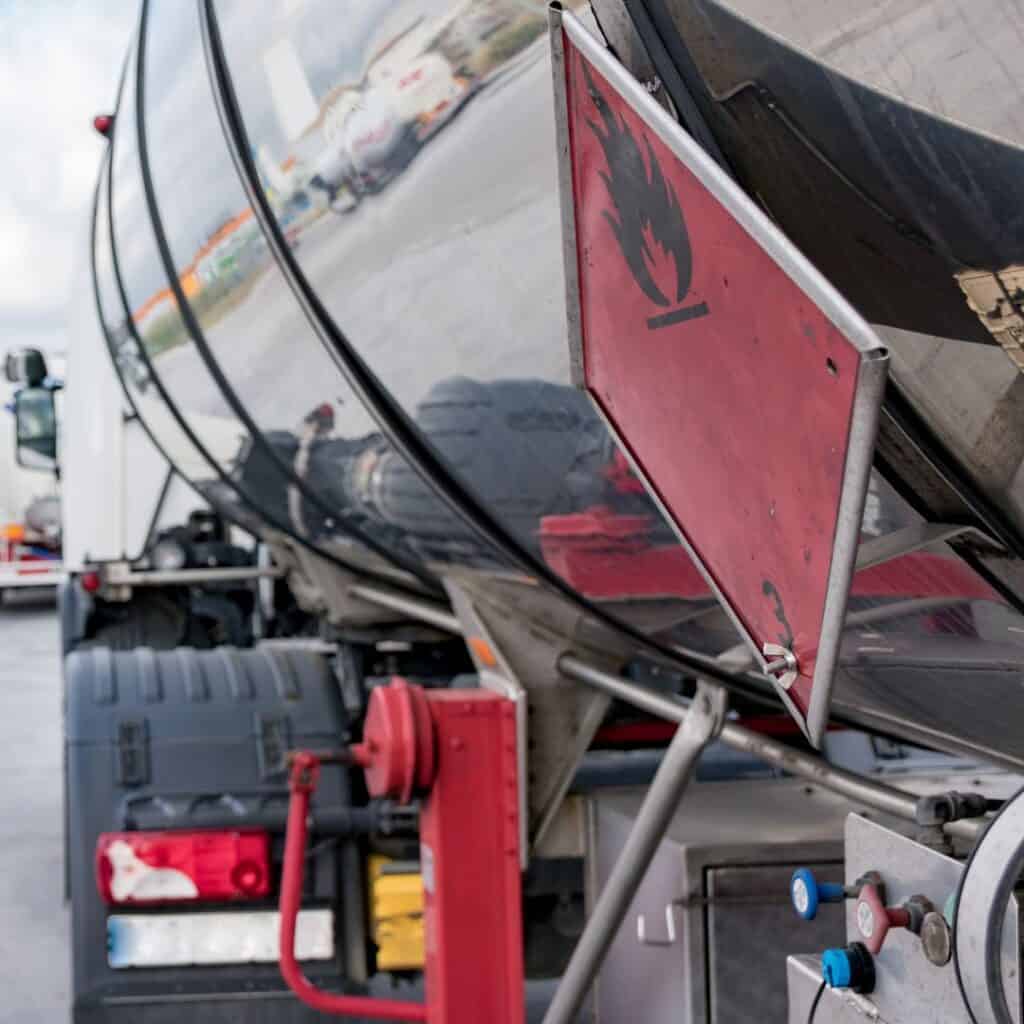
Do you enjoy HGV driving, but are keen to improve your earning potential? If so, becoming an ADR driver may be the perfect career choice for you. This profession offers great rewards and interesting opportunities. With the right skillset and dedication, ADR drivers can progress their careers in various ways, earning higher salaries along the…
Read MoreTraining Reviews and How To Do Them?
As with most things, it is better to keep up to date with training records as you go, however an annual review is also essential. Sometimes things get missed or someone ends up not completing a course, even a change of role or duties may have happened. All these change the plans and need…
Read More